



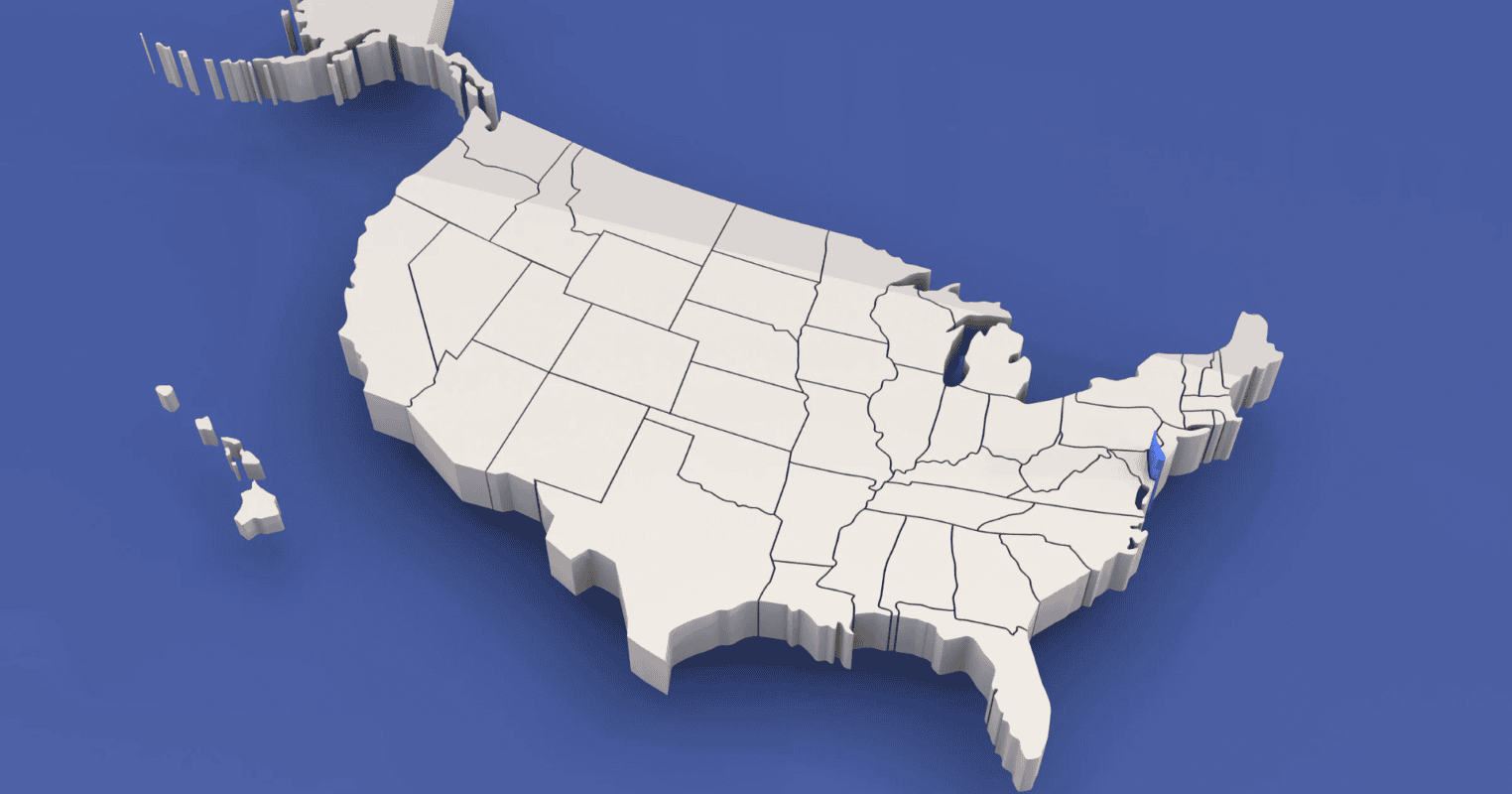
The November 3 midterm elections resulted in a significant shift in Washington, with Democrats gaining control of both the U.S. House of Representatives and the Senate. With control of both chambers, Democrats will assume committee leadership and have greater influence over the congressional agenda, including hearings, legislation and oversight of federal agencies. However, with President Trump remaining in office, advancing legislation will require negotiations across party lines, particularly on issues requiring presidential approval.
The Academy’s key priorities will continue into the next Congress, including the Medicare Audiology Access Improvement Act, Third-Party Administrator (TPA) reform, federal student loan policy, reauthorization and funding for Early Hearing Detection and Intervention (EHDI).
The election will also bring changes to congressional committee leadership and individual offices, making it important for the Academy to assess its congressional champions, establish relationships with incoming members and identify opportunities for bipartisan support.
As Congress returns for its lame-duck session and prepares for the transition, the Academy will continue monitoring legislative developments and engaging with lawmakers to advance policies that improve access to hearing and balance care.
Recent Posts
Mississippi and Missouri Go Live in ASLP Compact
The Audiology & Speech-Language Pathology Interstate Compact (ASLP-IC) continues to expand, with Mississippi officially going live on November 9, and Missouri following on November 16. With…
Senators Merkley and Gillibrand Introduce Professional Student Degree Act
Senators Jeff Merkley (D-OR) and Kirsten Gillibrand (D-NY) have introduced the Professional Student Degree Act in the Senate, companion legislation to H.R. 6718, introduced in the…

CMS Offers States an Optional Pause on Medicaid Work Requirement Enforcement
On November 13, 2026, CMS announced that states may protect otherwise eligible Medicaid applicants and beneficiaries from work-requirement-related coverage denials through June 30, 2027. The…


