


The Senate recently passed a continuing resolution (CR) to keep the federal government funded through December 11, 2026, giving Congress additional time to complete the fiscal year (FY) 2027 appropriations process. The House previously passed a CR funding the government through December 4. The two chambers must now agree on a final measure before the current fiscal year ends on September 30.
For hearing health, both CRs largely maintain FY 2026 funding levels while Congress continues negotiations. This means National Institute on Deafness and Other Communication Disorders (NIDCD) remains funded at approximately $534.3 million and HRSA’s Early Hearing Detection and Intervention (EHDI) program at $18.18 million during the CR period.
Neither CR includes the funding increases requested by the American Academy of Audiology—$20 million for NIDCD and $5 million for EHDI. The House FY 2027 Labor, Health and Human Services, Education, and Related Agencies (LHHS) appropriations bill also maintains flat funding for both programs, while the Senate has not yet completed its LHHS appropriations bill.
The Academy will continue advocating for increased investments in hearing and balance research and expanded resources for early hearing detection and intervention. Members will be updated as the appropriations process moves forward.
Recent Posts
Q4 SPAN Meeting to Focus on the ASLP-IC Compact
The American Academy of Audiology’s State Policy Advocate Network (SPAN) will hold its fourth-quarter meeting on October 28, 2026, from 8:00–9:00 pm ET. The meeting…
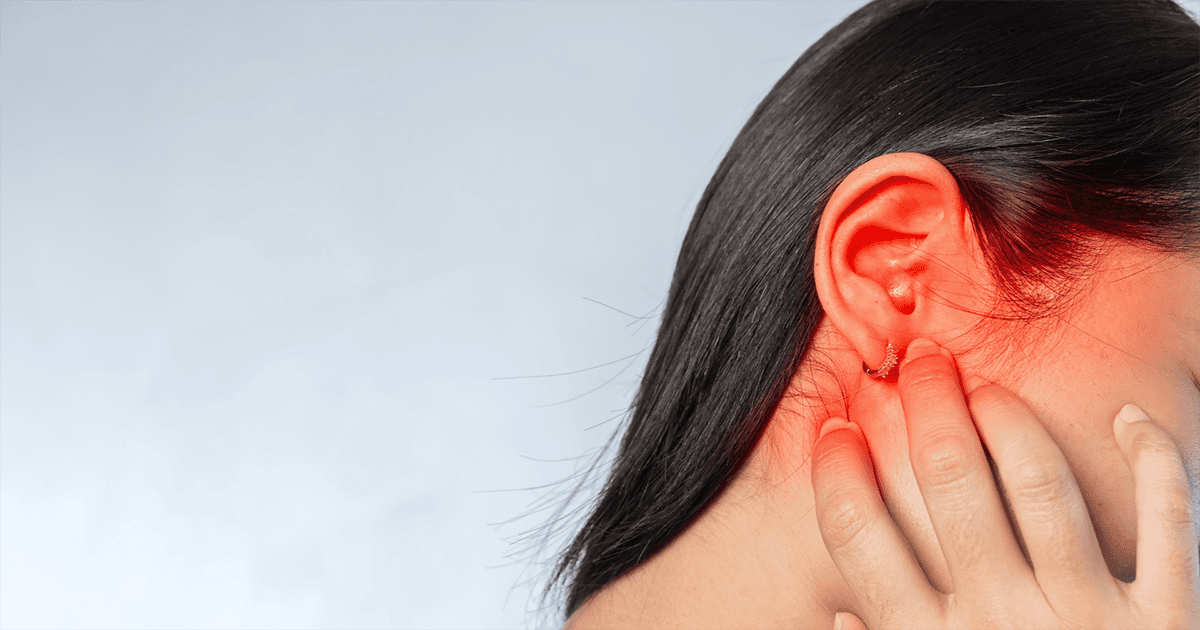
Tympanostomy Tubes Found in the Middle Ear Space: A Case Report
The placement of pressure equalization (PE) tubes is common procedure and often used for management of otitis media with effusion (OME), recurrent acute otitis media…

Cochlear Implant SatisfactionÂ
Approximately 118,000 adults and 65,000 children in the United States have cochlear implants (CI) (National Institutes of Health, 2021). Most CIs require an external processor,…


