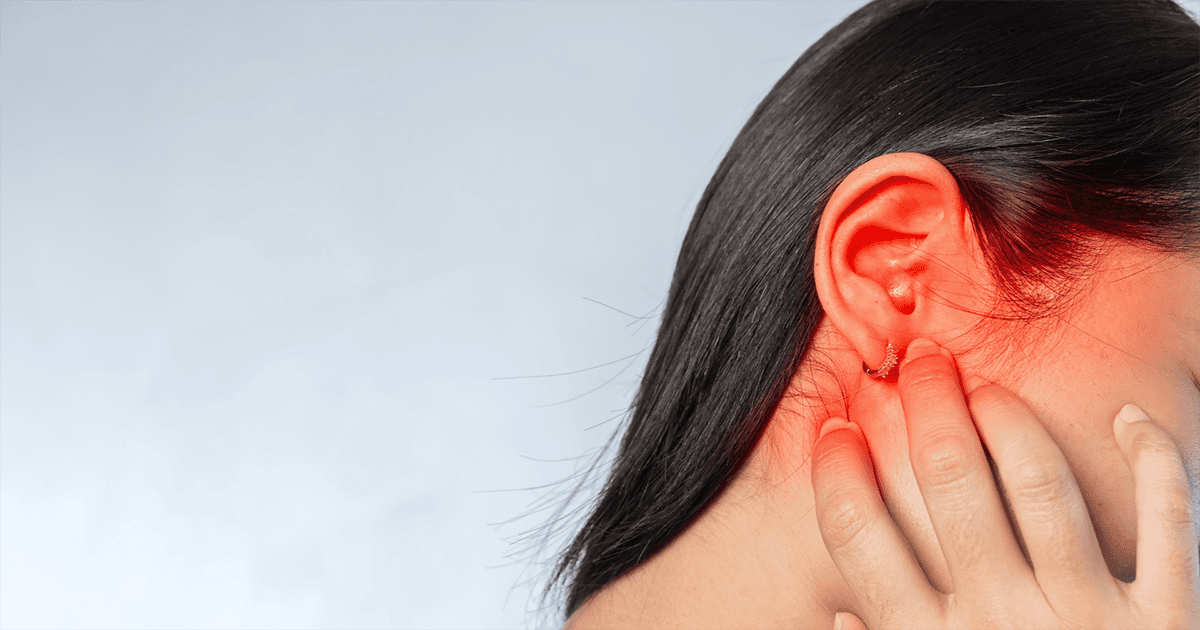




As we all know, COVID-19, caused by SARS-CoV-2, is a highly contagious respiratory infection. Due to its novelty, medical personnel and scientists have major concerns for pregnant women, possible vertical maternal-fetal transmission, and the ramifications it may have on infant hearing. The research (outlined below) indicates that there may be no cause for concern, with little to no risks to the newborns.
COVID-19 has been compared to a TORCH infection (toxoplasmosis, other Agents, rubella, cytomegalovirus, and herpes Simplex) as they demonstrate similar incidence. Both COVID-19 and TORCH infections show higher infection rates in the third trimester, and it is well established that viruses can directly harm inner ear structures. For example, cytomegalovirus (CMV) is the leading cause of non-genetic congenital sensorineural hearing loss. As hearing loss is a common sequela of in-utero infections, many scientists are concerned about the long-term effects of COVID-19.
Researchers in Greece studied 32 neonates born to unvaccinated, COVID-19 positive mothers from March 2020 to January 2021. All contracted COVID-19 in their third trimester. The severity of disease outcomes for the fetus has an inverse correlation with gestational age, as first-trimester infections produce more harmful effects. All babies were transferred to the neonatal intensive care unit (NICU). Nine of them were preterm, six had low birthweight, four required mechanical ventilation, two required nasal continuous positive airway pressure (CPAP), and eight required oxygen. All were negative for TORCH infections.
On all infants, polymerase chain reaction (PCR) tests were performed within the first day of life, 48 hours later, and on the seventh day of life. For all infants, all PCR tests were negative.
Transient evoked otoacoustic emissions (TEOAE) hearing screening were conducted shortly after birth and seven infants did not pass (22 percent). Within one month, infants that did not pass initially were rescreened; all seven passed. Finally, all infants were screened one more time at nine months of age and passed the hearing screening bilaterally.
The authors concluded that there was no evidence of vertical transmission of SARS-CoV-2 from infected mothers to their newborns or any identifiable hearing loss. In the limitations of their study, they noted the lack of a control group and the small sample size could have impacted the results. Continued research is necessary to determine if SARS-CoV-2 should be included as a risk factor for congenital hearing loss.
Reference
Kosmidou P, Karamatzanis ST, Aggelike V, et al. (2022) Hearing outcomes of infants born to mothers with active COVID-19 Infection. Cureus 14(6):e25571. (accessed on July 1, 2022).
Recent Posts
Illinois Governor Signs Hearing Care Plan Transparency
Illinois Governor JB Pritzker signed into law Senate Bill 2838 (SB 2838), a measure designed to increase transparency, strengthen consumer protections, and improve fairness in…
New Vestibular CPT® Codes for 2027 Implementation
This content is an exclusive benefit for American Academy of Audiology members. If you’re a member, log in and you’ll get immediate access. Member Login…
Use of a Tablet-Based Mobile Classifier to Diagnose Vestibular Disorders
In a preprint article by Rye et al. (2026), the feasibility of utilizing a tablet-based screening questionnaire (“mobile classifier”) to diagnose vestibular disorders was studied….