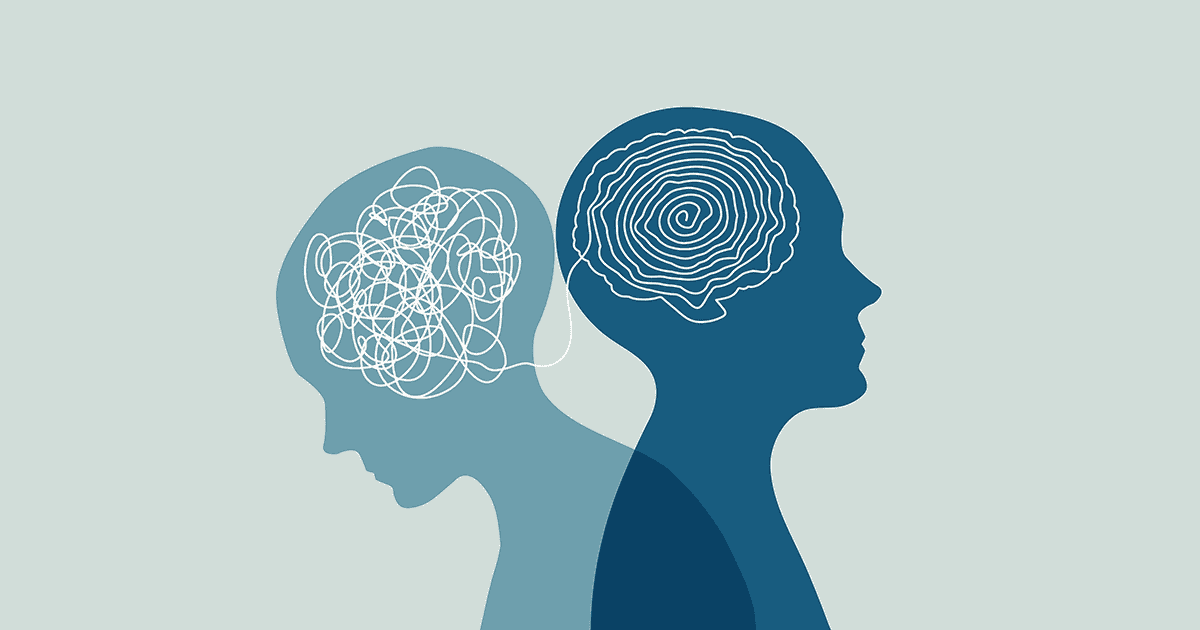





Have you ever had an “out-of-body” experience (OBE)? An OBE is considered a state where your center of awareness is located outside of your physical body, along with the sensation of seeing the environment from an elevated position. Current neuroscientific models of OBE suggest failure in integration of visual, somatosensory, and yes, vestibular input.
Recently, Lopez and Elziere (2018) completed a prospective study to describe the otoneurological, neuropsychological, and phenomenological correlates of OBE in a sample of 210 patients and matched controls. They reported a significantly higher prevalence of dizziness in persons with OBE. They suggest that a combination of perceptual incoherence evoked by vestibular dysfunction with psychological factors (depersonalization, depression) and neurological factors (migraine) underlie OBE.
Reference
Lopez and Elziere. (2018) Out-of-body experience in vestibular disorders-A prospective study of 210 patients with dizziness Cortex. 104:193–206.
Recent Posts
State Policy Advocate Network Kicks Off 2026
The State Policy Advocate Network (SPAN) will hold its first meeting of 2026 on January 28 from 8:00–9:00 pm ET. This opening meeting of the…
Developmental Timing of Auditory Deprivation Influences Spatial Memory and Hippocampal Plasticity in Rats
Mirsalehi et al. (2025) published a recent article studying auditory deprivation and related changes in spatial memory and hippocampal structure in rats. This study initially…
Does One Drink Make You Dizzy? Why Alcohol Hits Us Harder as We Age
In the article, “Does one drink make you dizzy? Why alcohol hits us harder as we age,” National Public Radio (NPR) correspondent Maria Godoy discusses…