


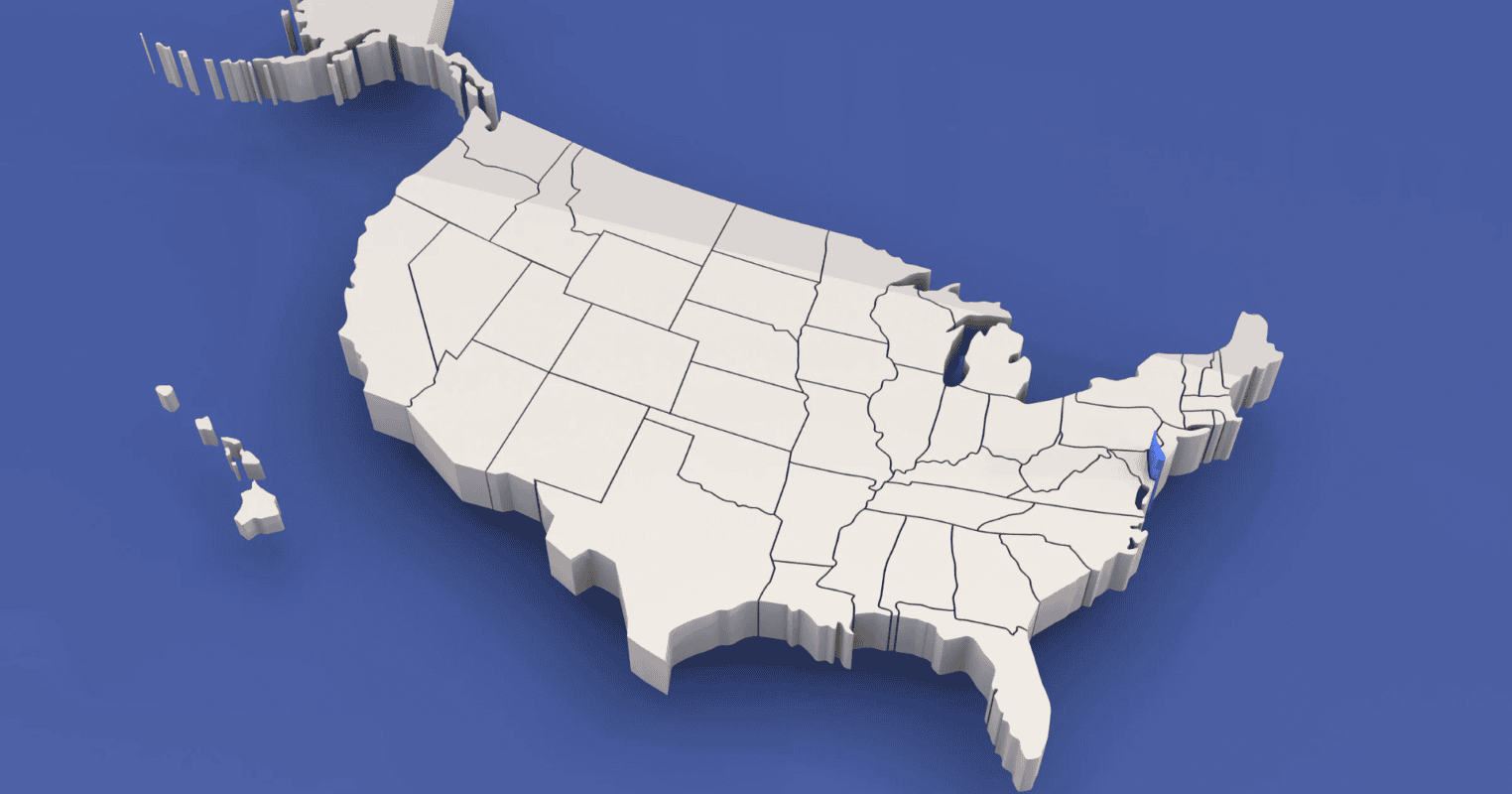
On the final day of the Nevada Legislative Session, lawmakers passed Assembly Bill (AB) 230, which was then sent to Governor Joe Lombardo for signature. Introduced in February, the bill progressed through committee hearings and passed by both chambers with unanimous support, clearing at the end of May.
AB 230 includes Nevada in the Audiology and Speech-Language Pathology Interstate Compact (ASLP-IC), an agreement among states that permits licensed audiologists and speech-language pathologists to practice across state lines without obtaining additional licenses. The compact increases patient access to care, facilitates telehealth, and streamlines licensure for mobile professionals. With the bill now on the governor’s desk, Nevada is poised to become the latest state to join the ASLP-IC. If signed, Nevada professionals will be eligible to apply for compact privileges once implementation begins later this year.
Update:
Nevada Passes Bill to Join ASLP-IC as Legislative Session Closes
Governor Joe Lombardo officially signed Assembly Bill 230 into law, enacting Nevada’s entry into the Audiology and Speech‑Language Pathology Interstate Compact (ASLP‑IC). Under the new statute, audiologists and speech‑language pathologists licensed in Nevada will be eligible for compact privileges, granting legal authority to practice in other ASLP‑IC member states without needing additional state licenses. It now heads to implementation, with an effective date set for July 1, 2025.
Recent Posts
Mississippi and Missouri Go Live in ASLP Compact
The Audiology & Speech-Language Pathology Interstate Compact (ASLP-IC) continues to expand, with Mississippi officially going live on November 9, and Missouri following on November 16. With…
Senators Merkley and Gillibrand Introduce Professional Student Degree Act
Senators Jeff Merkley (D-OR) and Kirsten Gillibrand (D-NY) have introduced the Professional Student Degree Act in the Senate, companion legislation to H.R. 6718, introduced in the…

CMS Offers States an Optional Pause on Medicaid Work Requirement Enforcement
On November 13, 2026, CMS announced that states may protect otherwise eligible Medicaid applicants and beneficiaries from work-requirement-related coverage denials through June 30, 2027. The…


