


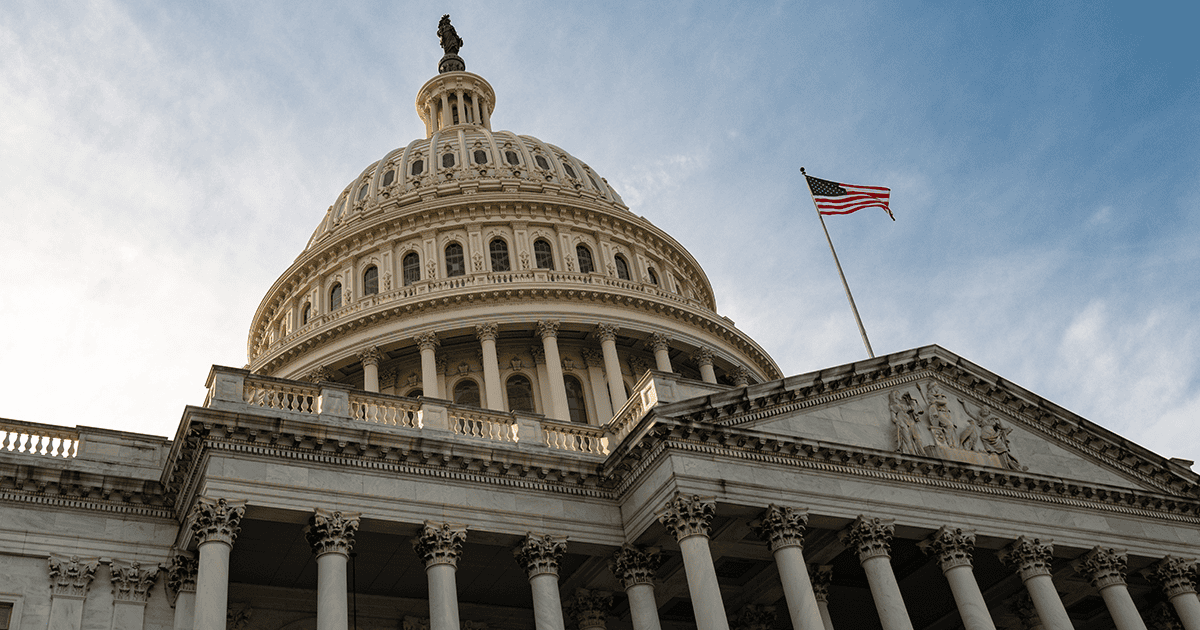
As Congress prepares for the lame-duck session following the November midterm elections, health care legislation could be among the issues lawmakers seek to address before the 119th Congress adjourns. The debate over the No Surprises Act is one example of how targeted health care proposals may gain attention during this year-end window.
Enacted in 2020, the No Surprises Act protects patients from certain unexpected out-of-network medical bills. However, concerns about provider reimbursement, delayed payments, and the federal independent dispute resolution (IDR) process have prompted calls for reform.
In October, Rep. Frank Pallone Jr. (D-NJ) introduced legislation proposing significant changes to the law’s dispute resolution process, highlighting continued congressional interest in how the law operates. Meanwhile, provider organizations are urging Congress to strengthen enforcement and ensure timely payments for services.
For the American Academy of Audiology, the debate underscores the importance of monitoring the lame-duck agenda for opportunities to advance audiology priorities. Although action on any particular bill remains uncertain, year-end negotiations can create openings for targeted health care reforms.
Recent Posts
Treatment of Parkinson’s Disease with Virtual Reality
In a recent article by Mahato et al. (2026), 250 individuals with Parkinson’s disease were assigned to either traditional physical therapy or virtual reality (VR)-based…
SPAN Q4 Meeting Reminder
The American Academy of Audiology’s State Policy Advocate Network (SPAN) will hold its fourth-quarter meeting next week, on October 28, 2026, from 8:00–9:00 pm ET….
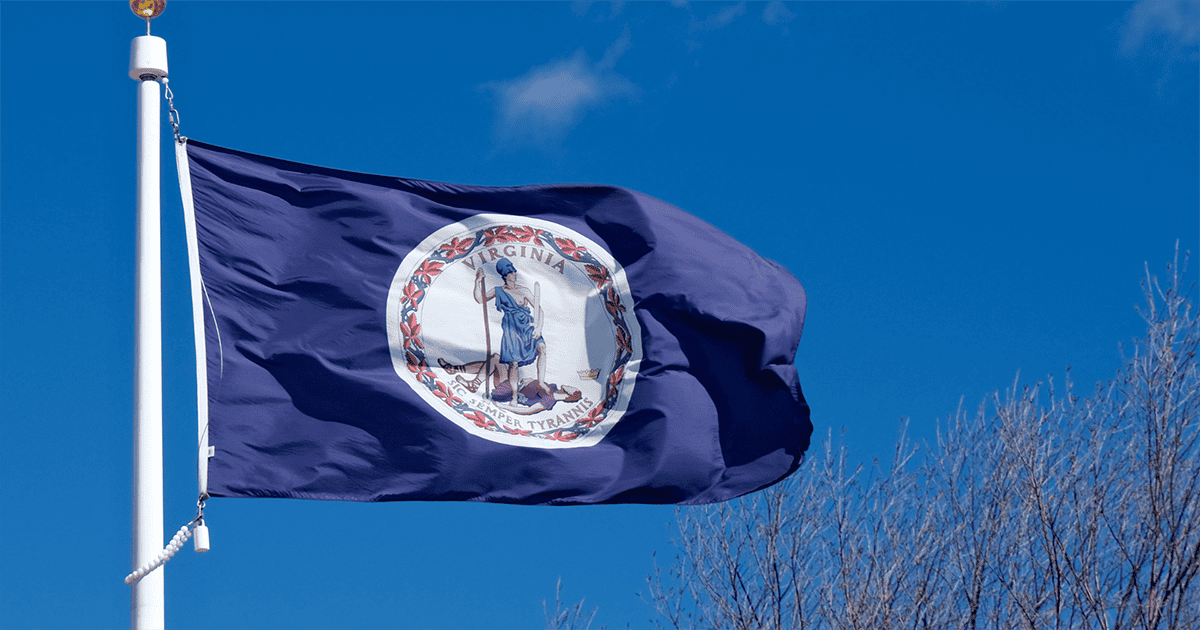
Virginia Audiology Regulations Open for Public Comment
The Virginia Board of Audiology and Speech-Language Pathology published a proposed rule allowing for ABA certification to serve as an alternative pathway for audiology licensure….


