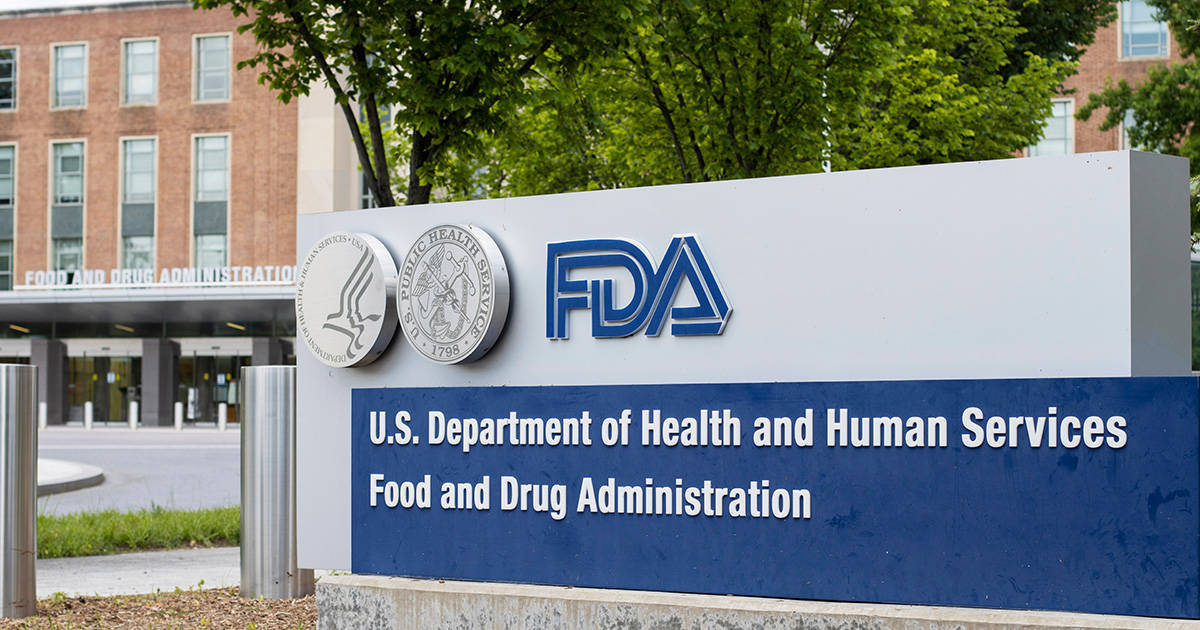



When the Supreme Court cut down the Chevron deference in their Loper Bright court decision, it determined that courts can no longer defer to a federal agency’s interpretation in complex regulatory matters. This means that many federal rules could now be open to challenge. Within days, federal courts issued rulings to block the U.S. Department of Health and Human Services (HHS) from enforcing its rule prohibiting health-care discrimination based on sexual identity or gender orientation.
On May 6, 2024, HHS issued a rule indicating that Section 1557 of the Affordable Care Act entitles people to civil rights protections over their gender identity or sexual orientation. The rule was set to go into effect on July 5. Nearly 20 states filed lawsuits against HHS over the rule, claiming that the rule would force them to provide gender-affirming care surgeries.
On July 3, federal district courts in Florida, Mississippi, and Texas all barred HHS from enforcing the rule. Each court decision cited the Loper Bright decision as a rationale. The order by the federal judge, issued in the U.S. District Court for the Southern District of Mississippi, blocks HHS from enforcing the rule across the country, noting that the states with lawsuits demonstrated they could succeed in showing that HHS went beyond its statutory authority in the rule and was instead advancing the administration’s agenda.
Reports are that the Loper Bright decision may be used to support challenges of a range of health-care regulations, including possibly Medicare’s reimbursement of health-care providers, and will change the landscape for drafting legislation and new regulations.
Recent Posts
Research That’s Changing Audiology
AAA 2026 offers an extraordinary lineup of research-focused sessions designed to spark innovation, expand your scientific horizons, and connect you with leading voices in audiology…
Government Shutdown Ends with Key Wins for Hearing Health
The recently passed federal funding agreement ending the government shutdown includes important provisions that strengthen hearing healthcare and improve patient access to services. Notably, the…
Public Comments Needed: Protect Federal Loan Access for Future Audiologists
The U.S. Department of Education’s Advisory Committee has proposed regulations implementing the higher education provisions of the One Big Beautiful Bill. Among the most consequential…