


Obtaining the audiograms of sea lions and seals, who are called “pinnipeds”, is a key step for scientists to assess how the (ever-increasing) noise of humans along coastlines affects marine life. Pinnipeds, along with many other animals, depend upon hearing to survive. Before researchers can ask whether human noise harms an animal, what that animal can hear must be established. One goal of obtaining animal audiograms is to decide if a noise source is merely background clutter or a genuine hazard. And for the Australian sea lion, an endangered species with an estimated population of only about 12,000 animals, this baseline hearing test is far more than academic.
Recently, researchers at the Taronga Zoo in Sydney, Australia assessed the hearing of two Australian sea lions and two long-nosed fur seals. The animals did not raise their flippers when they heard the beep but were trained to press a paddle when they heard a tone. They quickly learned that when no tone was present to withhold their response. Positive reinforcement was used in the form of fish. Both species produced reliable responses, and aerial audiograms were created (as opposed to underwater audiograms). This method of assessing an animal’s hearing should be celebrated, as historically, hearing data for many marine mammals came from stranded or captive animals assessed under anesthesia, or from invasive techniques that required restraint. These four voluntarily and reliably produced responses, and had fun with the task, cementing this method as superior.
Pinnipeds spend a lot of their lives on beaches and rocks, often close to ports, harbors, airports and human developments. So, researchers compared the audiograms of the pinnipeds with the acoustic signatures of boats, ships, planes, trains and construction activity, and found that most of these sounds would be clearly audible to the animals when on land. Unfortunately, those noises can mask communication between mothers and pups, interfere with the detection of predators, or cause chronic acoustic stress on these animals.
Both species were most responsive to sounds around 3.2 kilohertz, but like most mammals, hearing sensitivity declined above and below this frequency.
Audiograms from most marine mammals have not been obtained; the Australian sea lion and the long-nosed fur seal have now joined the short list of pinnipeds with measured aerial audiograms. Every species-specific audiogram helps to protect the many other animals exposed to shipping lanes and ever-louder coastal cities. These four adorable animals at Taronga Zoo may prove to be an unlikely act of animal conservation.
Reference
Erbe, P. C. (n.d.). Hearing tests reveal how sea lions and fur seals hear human-made noise. EurekAlert! Retrieved November 2, 2026, from https://www.eurekalert.org/news-releases/1146952
Recent Posts
Post Nominal Credential Designations
As the ABA credential portfolio grows, many audiologists have achieved multiple credentials. So, the question arises, what is the correct way to list degrees and…
CY 2027 Medicare Physician Fee Schedule Final Rule: Overview for American Academy of Audiology
On November 4, 2026, the Centers for Medicare & Medicaid Services (CMS) released the Calendar Year (CY) 2027 Medicare Physician Fee Schedule (MPFS) and Hospital…
2026 Midterm Elections: A New Political Landscape for Congress
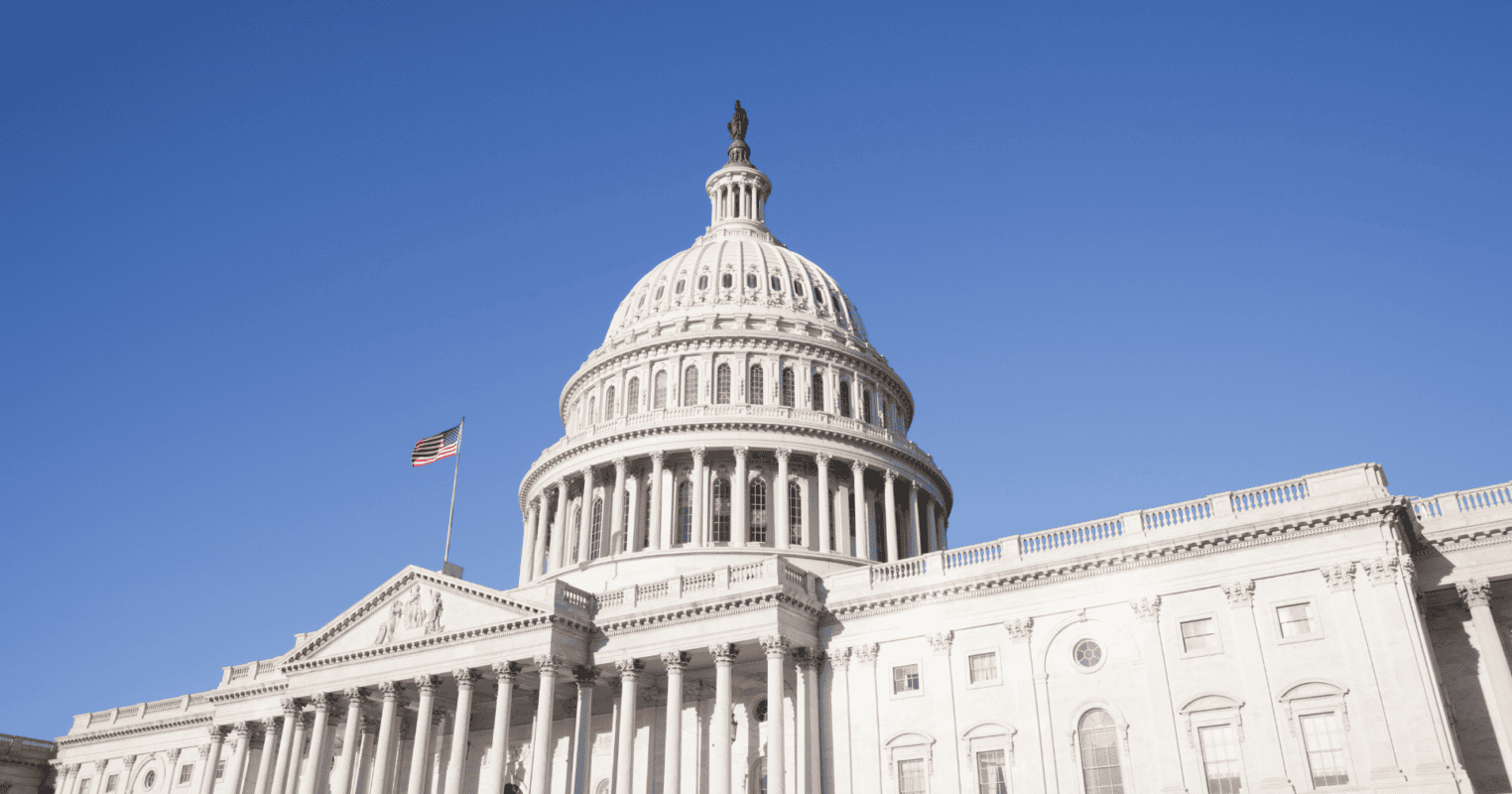
The November 3 midterm elections resulted in a significant shift in Washington, with Democrats gaining control of both the U.S. House of Representatives and the…


