









Turning Off the Lights in Tinnitus Counseling?
Tinnitus has been defined in several ways. It is often described as a phantom auditory perception generated by internal neural processes, or more simply as the perception of sound in the absence of an external source, typically experienced as ringing, buzzing, or pulsations.
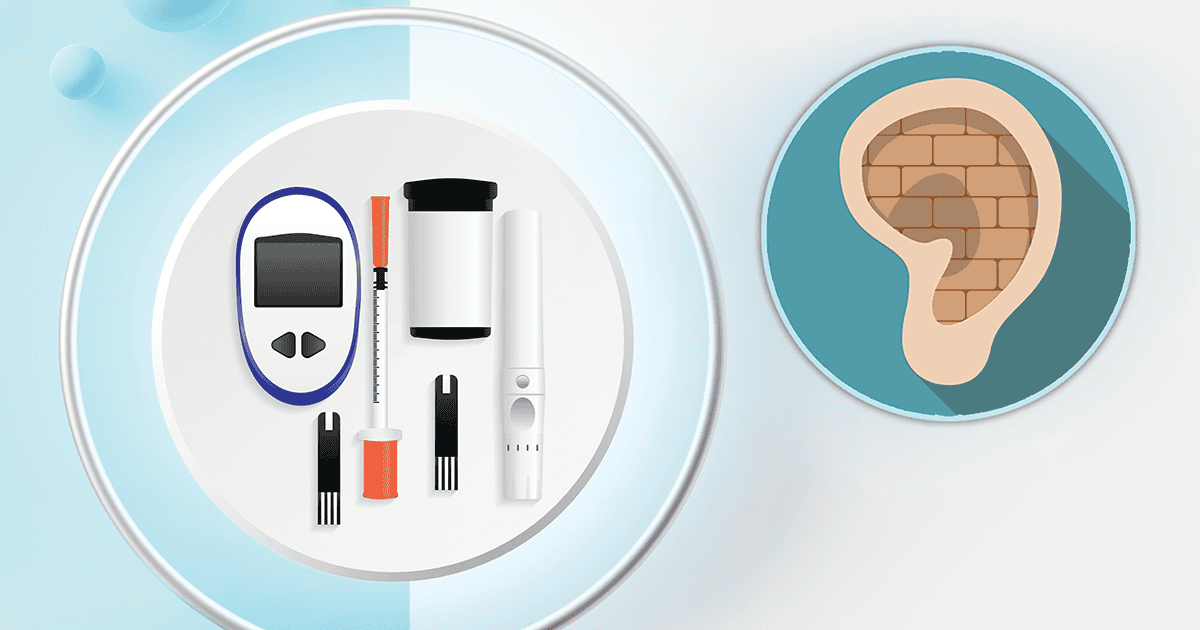
Diabetes by the Numbers— Not Just Type 1 and Type 2 Anymore
The modern clinical classification of diabetes into Type 1 (T1D) and Type 2 (T2D) was formalized in 1979by the National Diabetes Data Group. This system replaced older, confusing terminology with insulin-dependent diabetes mellitus and non-insulin-dependent diabetes mellitus.

Using a Pretest Measure to Evaluate Audiology Students’ Perceptions of Shared Decision-Making: A Pilot Project
Person-centered care (PCC) is an approach that places patients, their needs, preferences, and values at the core of their health-care delivery (Coulter & Oldham, 2016).

Neuroimaging of the Auditory and Vestibular Systems
The auditory and vestibular systems encompass highly specialized and anatomically complex structures that underlie the essential human senses of hearing and balance.
Time Is of the Essence: A Primer on Billing Time-Based Codes in Audiology Practice
Time-based codes have been available for billing select audiology services since the introduction of the code pair for evaluation of auditory function (92620 and 92621) in 2004.

Academy Spotlight
The Academy is proud to highlight the members and volunteers who help advance the profession every day. Through our Academy Spotlight series, we recognize individuals making meaningful contributions to audiology through clinical care, research, leadership, education, and service.

Academy Board Election Results
Congratulations to the Academy members elected to the Board of Directors. Their term of office begins October 1, 2026.

Why Leadership Development Programs Matter: AAA Introduces LEAP Program
Health care systems have become increasingly complex, collaborative, and fast-paced. As a result, audiologists often take on responsibilities that extend far beyond patient care alone. Many find themselves managing workplace conflict, leading initiatives, mentoring staff, and/or making operational decisions without formal preparation.

Elevating Adult Audiological Care: The Rationale, Design, and Professional Value of General Audiology Board Certification
The profession of audiology continues to evolve. The American Academy of Audiology has moved forward as a professional organization to focus on promoting evidence-based, outcome driven audiological care.

The Effect of Federal Student Loan Reform on Audiology Education and Workforce Development
On July 1, 2026, the U.S. Department of Education will implement a comprehensive federal student loan rule that substantially changes the financing structure for graduate and professional education in the United States.