



In response to reports of audiologists having difficulty getting paid for auditory evoked potential (AEP) services, the Academy and the American Speech-Language-Hearing Association (ASHA) have reached out to Medicaid agencies to clarify the new current procedural terminology (CPT) codes (92650-92653) for AEP services.
In a recent letter sent to all 50 Medicaid agency directors, the Academy and ASHA identified that audiologists have been denied claims for CPT Code 92650 (initial screening) and elaborated on the code changes that occurred in 2021. The communication reiterated further that performance of these tests is within scope and normal practice patterns for audiologists, and thus these denials must be happening in error.
In January 2021, two audiological function test codes (92585, 92586) in the Special Otorhinolaryngologic Services subsection of the Medicine section were deleted and replaced with four new codes (92650-92653) to improve clarity and better describe the specific service being provided. The two deleted codes described comprehensive (92585) and limited (92586) auditory evoked potentials (AEPs) testing without defining what comprehensive and limited entails. In broad terms, new codes 92650 and 92651 better reflect the limited-testing code (previously reported with 92586), while new codes 92652 and 92653 align with comprehensive-testing (previously reported with 92585).
Members who have difficulties getting payment should send denial claims to the Academy office with a request for follow-up.
Submit materials to kbishop@audiology.org with the subject line “AEP Services Claim Denial.”
Recent Posts
Q4 SPAN Meeting to Focus on the ASLP-IC Compact
The American Academy of Audiology’s State Policy Advocate Network (SPAN) will hold its fourth-quarter meeting on October 28, 2026, from 8:00–9:00 pm ET. The meeting…
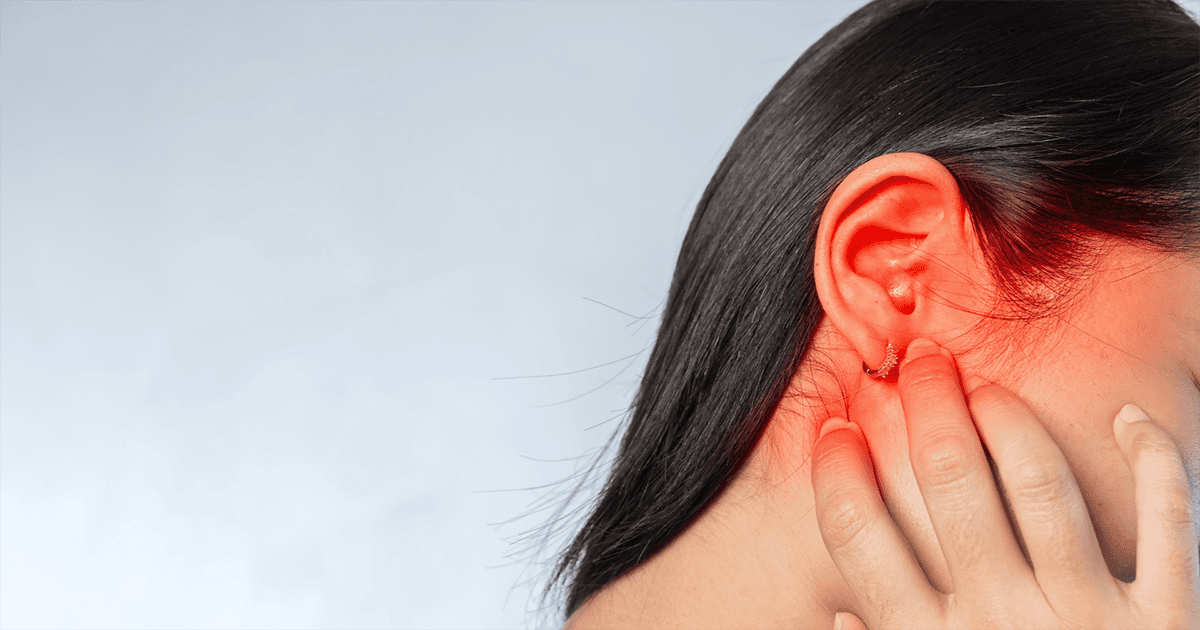
Tympanostomy Tubes Found in the Middle Ear Space: A Case Report
The placement of pressure equalization (PE) tubes is common procedure and often used for management of otitis media with effusion (OME), recurrent acute otitis media…

Cochlear Implant Satisfaction
Approximately 118,000 adults and 65,000 children in the United States have cochlear implants (CI) (National Institutes of Health, 2021). Most CIs require an external processor,…


