






What is your background in audiology?
I fell in love with the field during my sophomore year of college when I chose communication sciences and disorders as my minor. After taking an Introduction to Audiology course, where I worked with classmates to create a life-size model of the traveling wave, I quickly switched my focus to audiology.

In graduate school, however, I developed a deep passion for the balance system and its intricate connection with other sensory systems, which help maintain our equilibrium and enable us to navigate daily activities. This curiosity about the vestibular system inspired me to pursue my PhD.
Why do you volunteer with the Academy?
Volunteering with the Academy is a way to give back to the field that has shaped my professional journey. It allows me to stay connected with the latest developments and trends, contribute to the advancement of our profession, and collaborate with like-minded professionals. It’s also a fun and fulfilling opportunity to mentor and support the next generation of audiologists, ensuring we continue elevating standards of care and innovation in our field.
What is one thing that you can say volunteering has done for you and your personal success as an Audiologist?
Volunteering has enhanced my leadership skills, allowing me to take on roles that require strategic thinking, teamwork, and decision-making. These experiences have improved my ability to lead in my clinical practice and given me the confidence and courage to take on more challenging leadership roles. I am forever grateful to those who pushed me to start volunteering.
Who is your favorite cartoon character?
Wile E. Coyote. I respect his relentless determination and resilience. Anyone else would give up after multiple failed attempts to capture the Road Runner, but he picks himself up and tries and tries again.
What is your favorite dish to cook?
My family would agree that I’m not a cook, but I make amazing banana bread!
Recent Posts
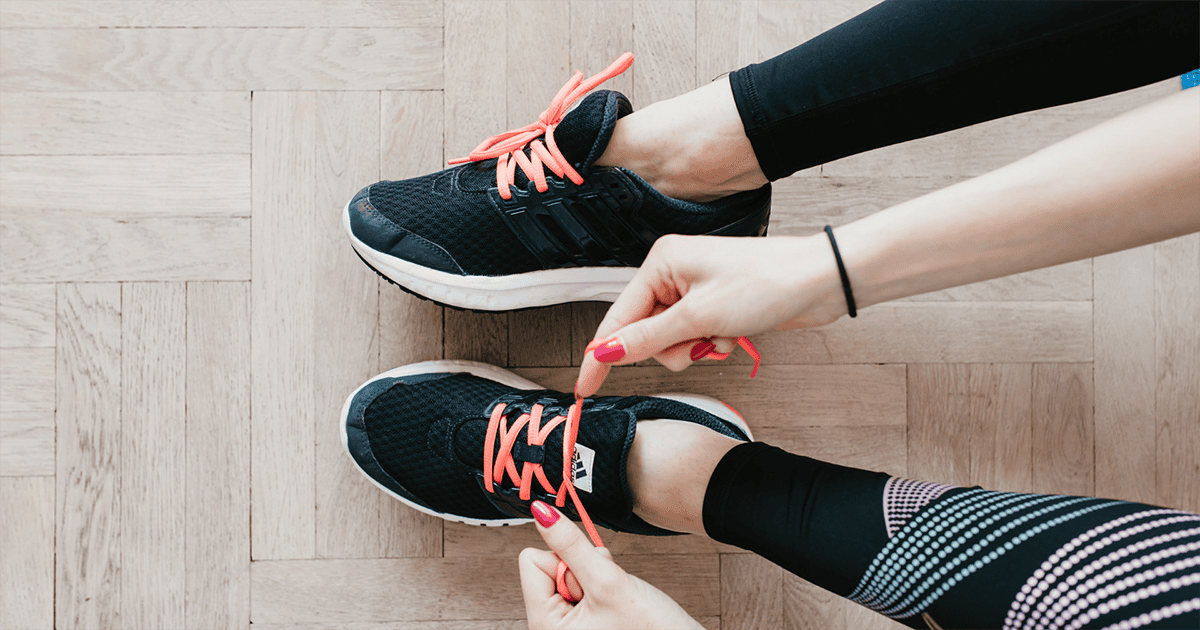
Aerobic Physical Activity in U.S. Adults: An Updated Report
In 2022, the American Academy of Audiology shared an update regarding two data briefs about physical activity in the United States. One was related to…
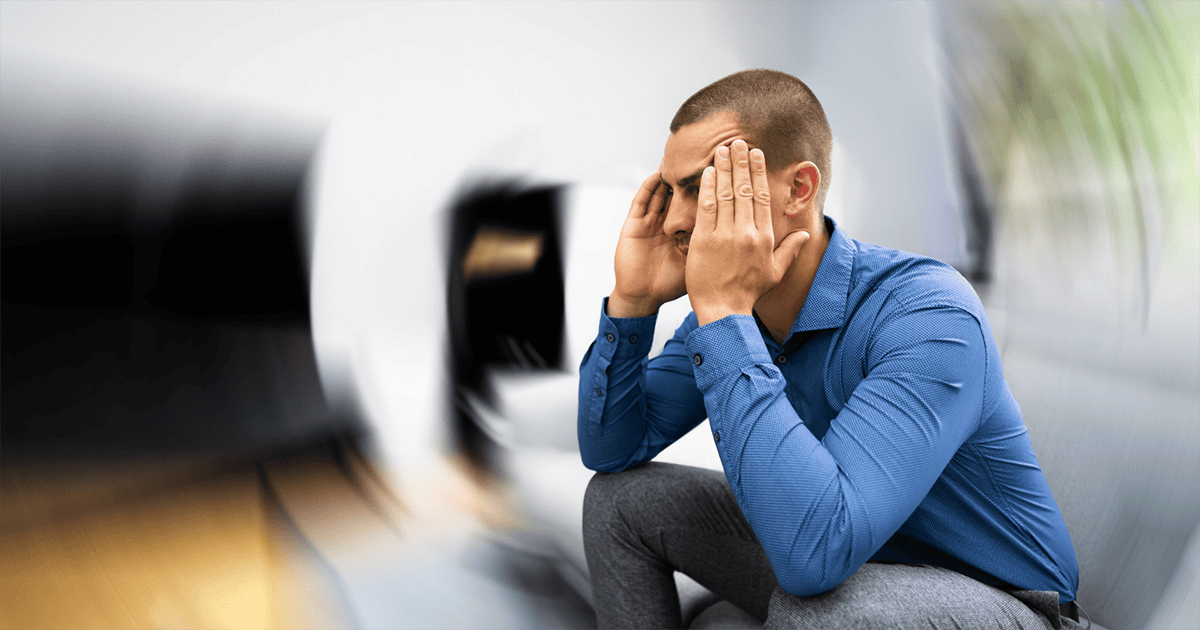
Adding Vestibular Training to Post-Stroke Care
A recent study by Mishra and colleagues (2026) examined individuals with chronic post-stroke disequilibrium. Participants (n=18) received either traditional balance therapy or balance therapy plus…
No Surprises Act Reform: One to Watch in the Lame-Duck Session
As Congress prepares for the lame-duck session following the November midterm elections, health care legislation could be among the issues lawmakers seek to address before…
