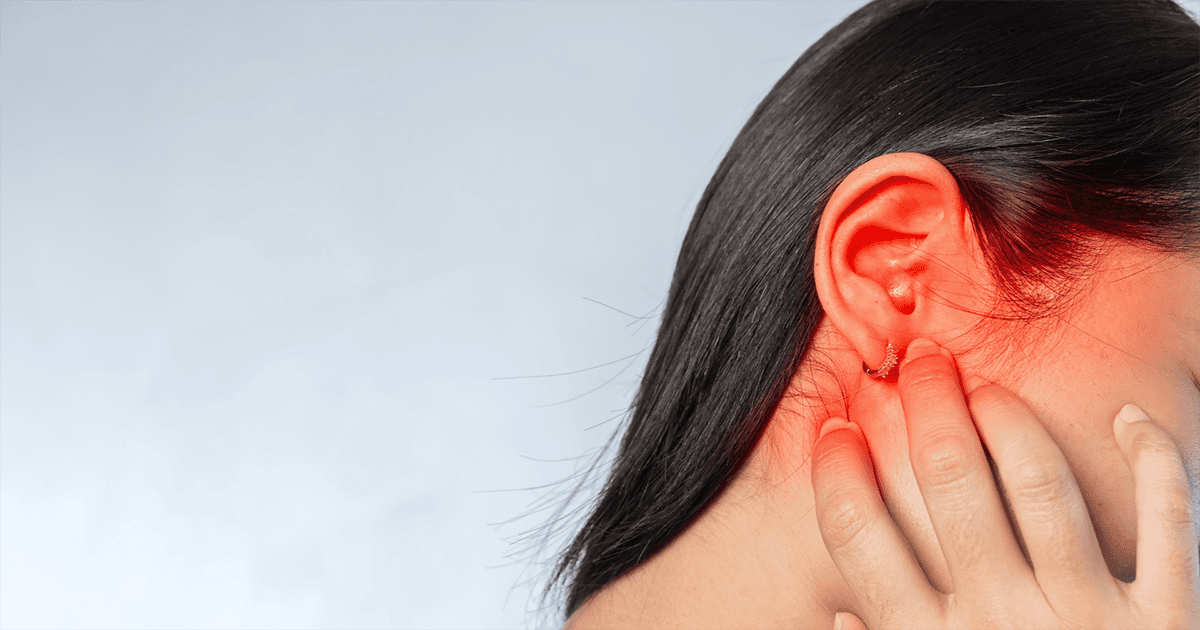





Tinnitus can be defined as a medical condition in which an individual has a conscious awareness of a tonal or composite noise for which there is no identifiable corresponding external acoustic source (De Ridder et al, 2021). Somatosensory modulation is the process of using sensory receptors to detect and process information about how the body interacts with the environment. Previous research has suggested that somatosensory modulations of tinnitus may contribute to nap-induced changes in tinnitus loudness, due to physiological events, such as bruxism.
In a recent study, Guillard and colleagues (2024) studied 37 patients who reported frequent increases in tinnitus following a nap. All participants attempted six naps over a two-day time period in which they underwent polysomnographic examinations. Audiological and kinesiologic tests were completed before and after each nap.
Results revealed that food intake was not associated with increased tinnitus loudness, nor was total nap time. Additionally, there was no significant impact of napping position or bruxism during the nap on tinnitus loudness or intrusiveness. However, significant positive associations were observed among snoring duration, the number of apnea and hypopnea episodes, and tinnitus intrusiveness.
The researchers concluded that snoring and apnea during naps may increase tinnitus loudness and intrusiveness. As a result, the tensor veli palatini muscle may be involved in the modulatory-process experience during naps for tinnitus sufferers. They concluded that nap-related tinnitus modulation is temporary, and a significant reduction in tinnitus loudness can be experienced between naps.
References
De Ridder D, Schlee W, Vanneste S, et al. (2021) Tinnitus and tinnitus disorder: Theoretical and operational definitions (an international multidisciplinary proposal). Prog Brain Res 260:1-25.Â
Guillard R, Philippe V, Hessas A, et al. (2024) Why does tinnitus vary with naps? A polysomnographic prospective study exploring the somatosensory hypothesis. Hear Res 455.Â
Recent Posts
Cortical Changes in Total and Partial Vestibular Dysfunction, As Measured by EEG
Study Supports Expanded Candidacy for Pediatric Cochlear Implantation For children less than two years of age, current Food and Drug Administration (FDA) candidacy criteria for…
Academy Submits Comments on MPFS Proposed Rule CY 2027
On behalf of the membership, the American Academy of Audiology has submitted comments on the Centers for Medicare and Medicaid Services’ (CMS) Calendar Year (CY)…
Where do U.S. Adults Obtain Their Usual Healthcare?
While we know that primary care providers can be a source of referrals for audiologic care, have you wondered how many individuals have a regular…