



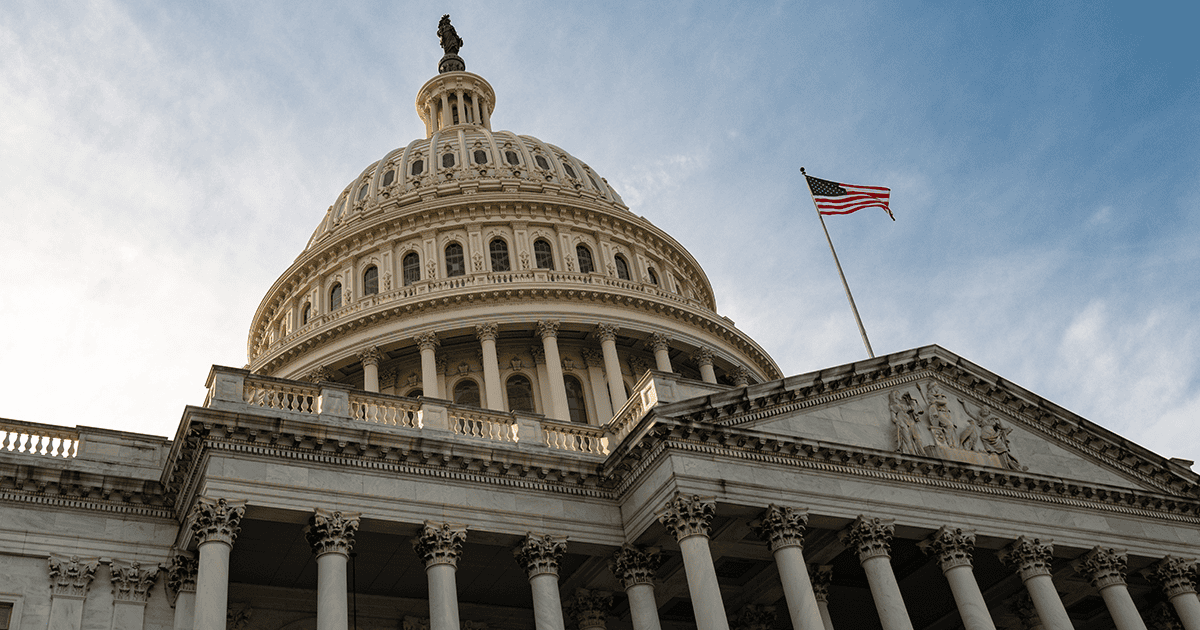
The November 3 midterm elections resulted in a significant shift in Washington, with Democrats gaining control of both the U.S. House of Representatives and the Senate. With control of both chambers, Democrats will assume committee leadership and have greater influence over the congressional agenda, including hearings, legislation and oversight of federal agencies. However, with President Trump remaining in office, advancing legislation will require negotiations across party lines, particularly on issues requiring presidential approval.
The Academy’s key priorities will continue into the next Congress, including the Medicare Audiology Access Improvement Act, Third-Party Administrator (TPA) reform, federal student loan policy, reauthorization and funding for Early Hearing Detection and Intervention (EHDI).
The election will also bring changes to congressional committee leadership and individual offices, making it important for the Academy to assess its congressional champions, establish relationships with incoming members and identify opportunities for bipartisan support.
As Congress returns for its lame-duck session and prepares for the transition, the Academy will continue monitoring legislative developments and engaging with lawmakers to advance policies that improve access to hearing and balance care.
Recent Posts
Treatment of Parkinson’s Disease with Virtual Reality
In a recent article by Mahato et al. (2026), 250 individuals with Parkinson’s disease were assigned to either traditional physical therapy or virtual reality (VR)-based…
SPAN Q4 Meeting Reminder
The American Academy of Audiology’s State Policy Advocate Network (SPAN) will hold its fourth-quarter meeting next week, on October 28, 2026, from 8:00–9:00 pm ET….

Virginia Audiology Regulations Open for Public Comment
The Virginia Board of Audiology and Speech-Language Pathology published a proposed rule allowing for ABA certification to serve as an alternative pathway for audiology licensure….


