

Pediatric audiology case-history questionnaires often ask about birth history and time spent in a neonatal intensive care unit (NICU). As such, audiologists who routinely see children may be interested in recently-published data on NICU admission rate trends.
Martin and Osterman (2025) used the natality data file from the National Vital Statistics System to evaluate NICU admission rates from 2016 to 2023. This data file includes information on all births, as well as a range of demographic and health information on both the infants and the mothers.
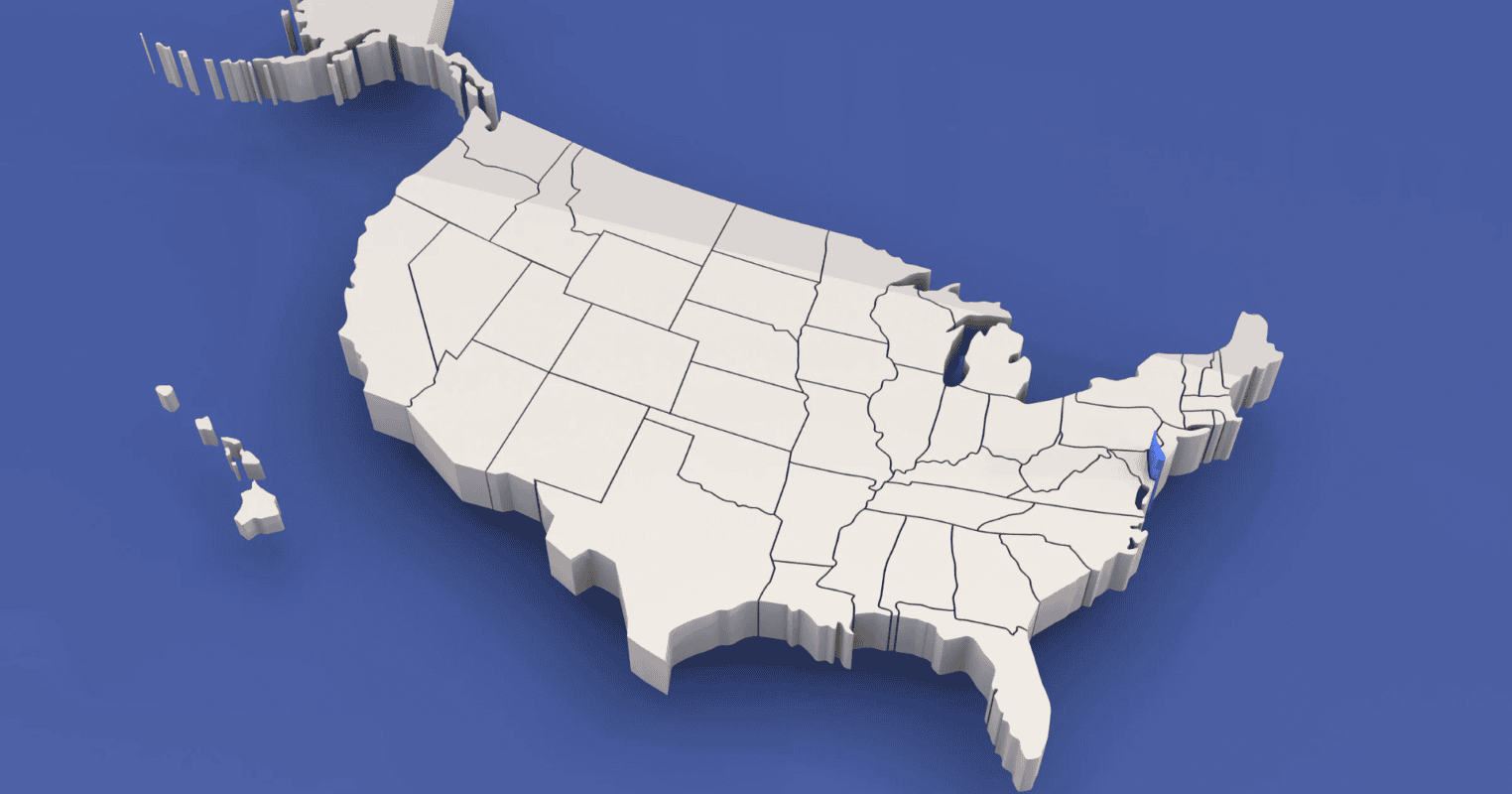
These authors reported an increase in NICU admissions from 8.7 percent in 2016 to 9.8 percent in 2023. In 2023, the states with the highest reported NICU admission rates were Utah (12.4 percent), New Jersey (12.7 percent), and Delaware (14.2 percent). The states with the largest percentage increase compared to 2016 were Arkansas (31 percent), Alabama (32 percent), New Hampshire (34 percent), and Mississippi (37 percent).
NICU admission rates varied significantly based on maternal age, maternal race and Hispanic origin, gestational age, and birthweight. Despite differences, NICU admission rates increased for all of these categories in 2023 compared to 2016.
Reference
Martin, J.A., & Osterman, M.J.K. (2025 Mar). Increases in neonatal intensive care admissions in the United States, 2016–2023. NCHS Data Brief,525.
Recent Posts
Mississippi and Missouri Go Live in ASLP Compact
The Audiology & Speech-Language Pathology Interstate Compact (ASLP-IC) continues to expand, with Mississippi officially going live on November 9, and Missouri following on November 16. With…
Senators Merkley and Gillibrand Introduce Professional Student Degree Act
Senators Jeff Merkley (D-OR) and Kirsten Gillibrand (D-NY) have introduced the Professional Student Degree Act in the Senate, companion legislation to H.R. 6718, introduced in the…

CMS Offers States an Optional Pause on Medicaid Work Requirement Enforcement
On November 13, 2026, CMS announced that states may protect otherwise eligible Medicaid applicants and beneficiaries from work-requirement-related coverage denials through June 30, 2027. The…


