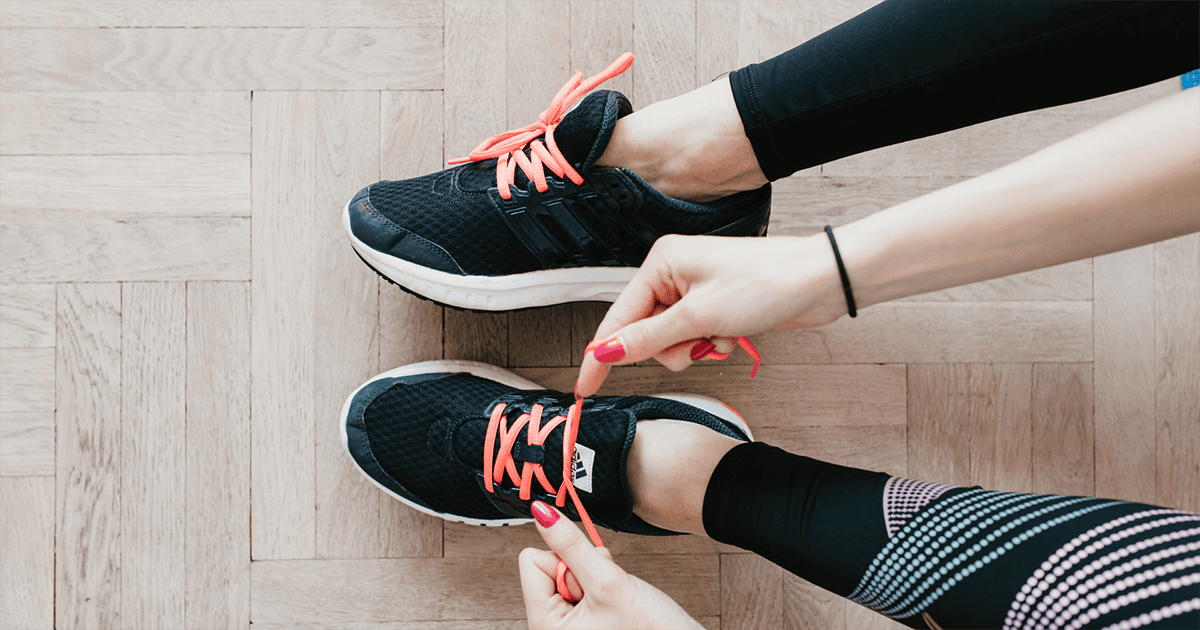




Do you or someone you know practice yoga? If so, do you know their reasons for partaking in the practice?
Elgaddal and Weeks (2024) used data from the 2022 National Health Interview Survey to explore the practice of yoga by those 18 years of age and older by sociodemographic factors. Specifically, participants were asked, “During the past 12 months, did you practice yoga as part of a class or on your own?”
The age-adjusted percentage of adults who practiced yoga during that time frame was 16.9 percent. The percentage of individuals who practiced yoga varied significantly as a result of sex, age, race, Hispanic origin, and family income.
Participants who answered affirmatively to the practice of yoga in the last year, were asked follow-up questions as to whether they used yoga to restore their overall health, whether their practice included meditation, and if they used yoga to treat or manage physical pain?
The age-adjusted percentages of those who reported doing so to restore their overall health, having a yoga practice that included mediation, and using yoga to treat or manage physical pain was 80 percent, 57.4 percent, and 28.8 percent, respectively. These authors also explored the relationship between sociodemographic factors and the answers to these follow-up questions.
Reference
Elgaddal N, Weeks JD. (2024). Yoga among adults age 18 and older: United States, 2022. NCHS Data Brief 501.
Recent Posts
Update on Hearing Device Services Codes
As released publicly in the March 10, 2026, AMA’s Errata & Technical Corrections CPT 2026, the parentheticals related to code 92628 (Evaluation for hearing candidacy)…
Intratympanic Steroid Therapy as a Salvage Treatment for Sudden Sensorineural Hearing Loss
Fernandez et al. (2026) completed a retrospective analysis of 86 patients seen between 2019 and 2024 with sudden sensorineural hearing loss (SSNHL). This analysis compared…
Clinical Superiority of Belly-Tendon Montage Over Others for Recording Air-Conducted Ocular Vestibular Evoked Myogenic Potential
In a recent study published by Raveendran and Singh (2026), a number of ocular vestibular evoked myogenic potential (oVEMP) electrode montages were compared. This study…