
This article is a part of the March/April 2026, Volume 38, Number 2, Audiology Today issue.
By David Zapala, PhD
Eight years. I recently retired from the Mayo Clinic in Florida after a 23-year career. During that time, I performed approximately 25,000 audiological evaluations. Each evaluation included a pre-appointment chart review and questionnaire review, a formal patient interview, a physical examination, the formulation of my clinical impressions, and the collaborative development of a tailored plan of care addressing the patient’s unique needs and desires.
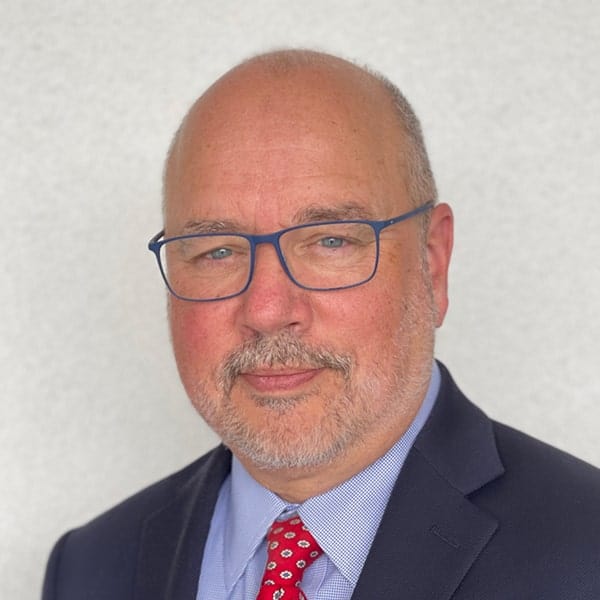
As a team member, I communicated with other providers, made appropriate referrals, documented the encounter, and remained available to patients after the visit to answer any questions or concerns that may have arisen. These are all evaluation and management (E&M) activities. These activities had the greatest impact on my patients’ quality of life. My service was recognized by the clinic’s physicians. I was voted the Mayo Clinic Clinician of the Year in 2016—the only nonphysician provider to ever receive this recognition. Yet, my services were completely unrecognized and unreimbursed by our health-care system. I calculated that 8 of those 23 years were spent providing unreimbursed E&M services. Audiologists do not get paid E&M. We get paid for performing tests. This is by design, and it has consequences.
In 2008, well before the Academy had a seat on the American Medical Association (AMA) Current Procedural Terminology® committee, Audiology code 92557 was devalued. Currently, the national Medicare payment for 92557 is $35.74 in in-office or private practice settings and $25.72 in skilled nursing facility/facility settings. Medicare has always paid below market rates for health-care services. Even so, the reimbursement for 92557 is well below what it ought to be for a Medicare-reimbursed service. Again, by design. I will leave it to you to investigate how this might have happened. Regardless, one direct consequence of the devalued payment for audiological services is the relatively high cost of hearing aids to consumers. The margin that hearing aids provide can sustain the profession. The margins also sustain those who hire audiologists at low salary rates and skim that margin for themselves.
Consequences. Some of us have realized that there is no knight in shining armor who will right the world for audiology. Indeed, it is up to us to find a way to be financially healthy. Currently, there are two efforts to improve the lot for audiologists. The first effort, which has had some success, is to reopen state licensure laws to expand the audiology scope of practice. These efforts have included, for example, the right to order radiographic imaging, blood tests, and cultures, as well as the right to treat certain conditions with medication. The efforts seem to be organic and locally driven initiatives, with the encouragement of the Academy of Doctors of Audiology. On the positive side, like optometry, these efforts may reflect a healthy evolution of the profession. On the negative side, this effort appears to increase the breadth of non-reimbursed services audiologists are expected to provide. From the professions’ financial health perspective, this seems like an all-risk and no-reward proposition.
The second effort, to which I advocate, is for audiologists to recognize all the non-covered services they currently provide for free and to charge for them. Do not wait for the AMA, Medicare, or the insurance industry to change. Be the change. Many private practices already charge an office visit fee. How can they not? Join them.
What are your patients paying for with this fee? They are paying for your professional judgments about their risk for worrisome ear disease and need for a medical consultation, the nature of their hearing difficulties, what you can do to ameliorate them, and your best advice on how to avoid future hearing difficulties and remain healthy. You make these professional judgments daily. They are second nature to you. They are valuable to your patient and to other health-care providers. You should not be expected to give this hard-earned expertise away for free.
Now the two efforts to improve audiologists’ lot are not mutually exclusive. If we can better serve our patients by expanding our scope of practice, I am all for it. But we must avoid expanding our responsibilities without a plan for fair compensation.
Not every practicing audiologist is in a position to charge for an office visit. Some audiologists working in an ENT office might simply be providing hearing test services under the umbrella of ENT-provided E&M. Others simply may not know where to begin. The Academy is rolling out several new practice resources to help practitioners transition to top-tier service providers. Look at the Practice Resources section of the Academy’s website and seek out the “AMPLIFY Your Value” toolkits and offerings at the San Antonio Convention. No one can afford to work for 8 years without an income. It is the time to end this nonsense.
These are my personal opinions. I would love to hear from you.
E-Mail comments to: dzapala@audiology.org.
David Zapala, PhD
President