


Audiology Today
March/April 2026
The American Academy of Audiology promotes quality hearing and balance care by advancing the profession of audiology through leadership, advocacy, education, public awareness, and support of research. Dive into the issue below!
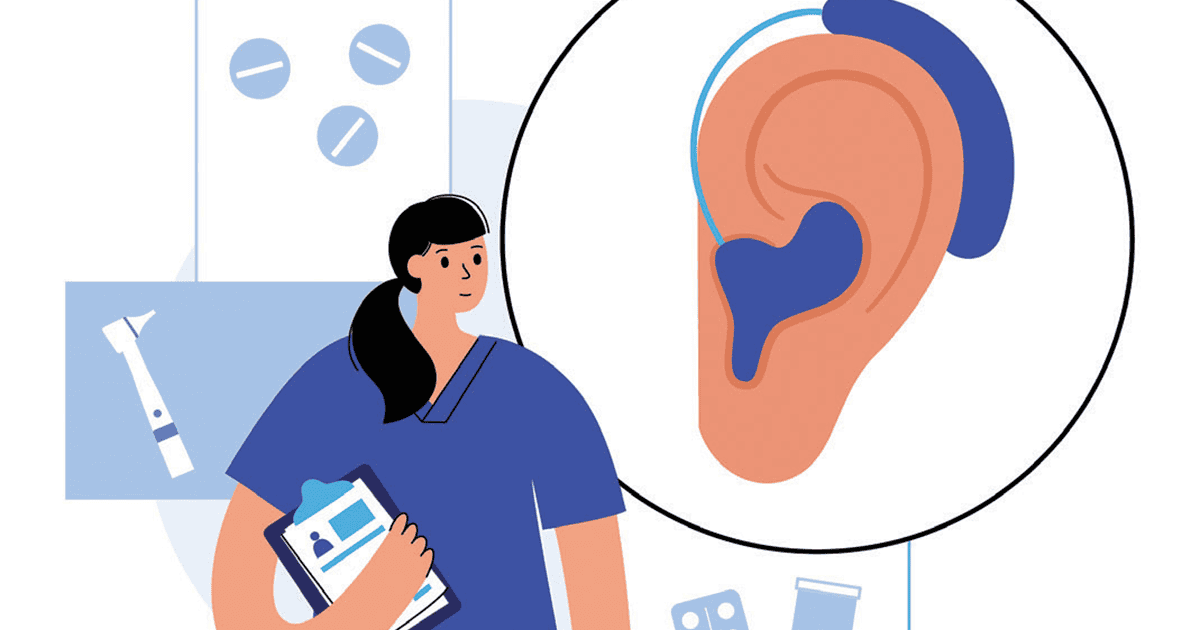
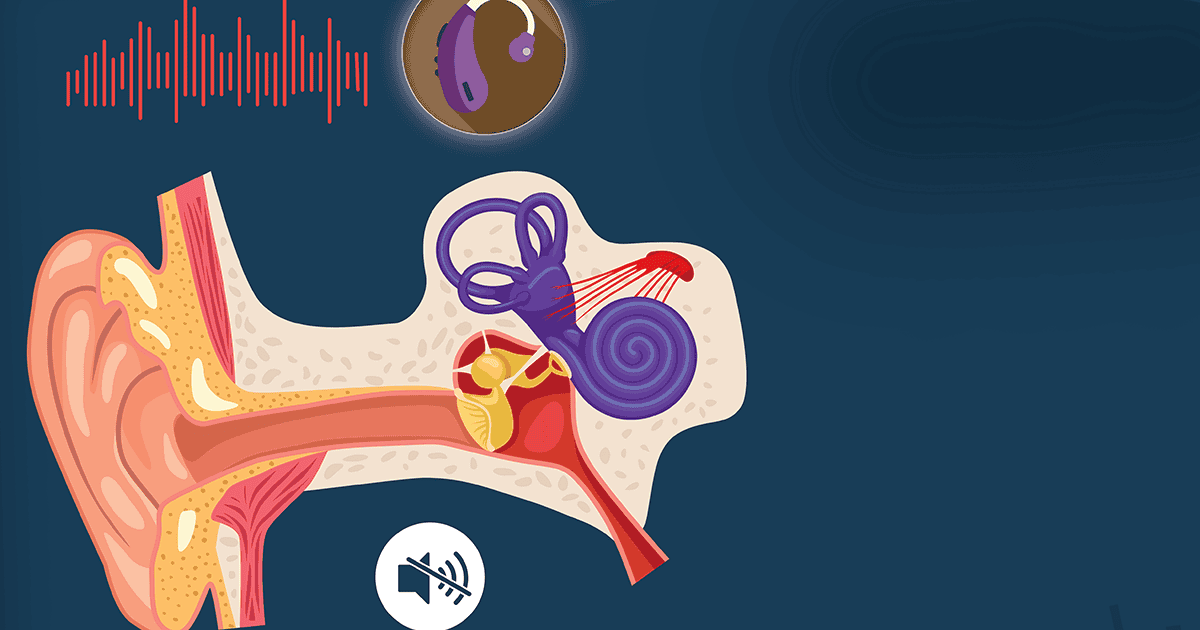
Summary of American Academy of Audiology Writing Group’s Systematic Review on Hearing Aid Use and Health-Related Quality of Life for Adults with Sensorineural Hearing Loss
We have all counseled a patient who is newly diagnosed with a SNHL and is reluctant to pursue amplification. And after the patient has been fit, how can we determine improvements in their health-related quality of life (HRQoL)?

Top Ten Reasons to Recommend HLAA to Your Patients
As audiologists, you provide clinical care so patients can improve their hearing. But true success in hearing health goes beyond the audiogram and beyond the audiologist’s office. It means living better with hearing loss and having others to turn to for support. It means knowing your rights for communication access in public places, and what technology, beyond the hearing aid, might help.

Things You Do Not Know That You Do Not Know About Owning an Audiology Practice
Owning an audiology practice can be extremely rewarding but also filled with challenges that most clinicians do not anticipate until they are in the thick of it. For many, the focus is on patient care, clinical protocols, and technology; however, practice ownership is a distinct discipline altogether.
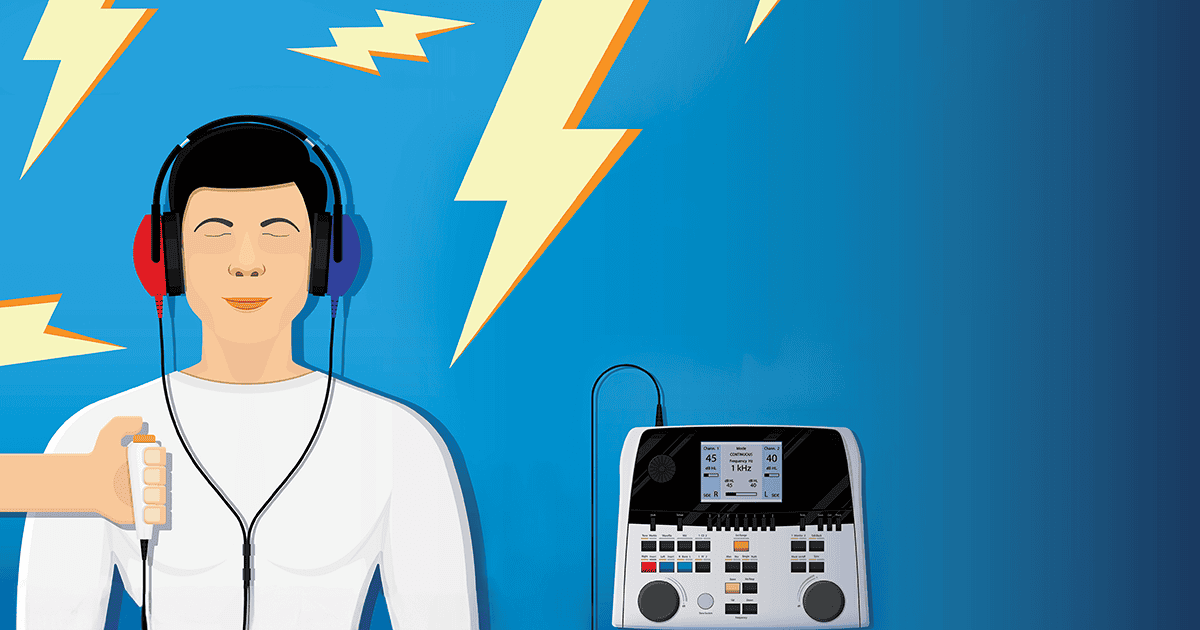
ASA/ANSIS3.6 American National Standard Specifications for Audiometers—2025 Revision
The American national standard that governs the design and function of clinical audiometers, last revised in 2018, has a new 2025 revision (American Standards Association (ASA)/ANSI S3.6-2025; ASA, 2025). In this article, we discuss the history of the ANSI and the audiometer standard, and we highlight the most important changes in the new standard.

ON TREND | More Ways to Help More Patients
Different patients have different hearing health and financial goals. To help even more patients connect lives through better hearing, Synchrony offers Pay Monthly loans (formerly Allegro Credit).

Call for Honors and Awards Nominations
The Academy Honors Task Force is excited to announce the opening of the 2027 nominations. Do you have a friend or colleague who has been of exceptional service to the Academy and/or the profession who should be recognized and honored for their contributions? There are several categories available for nominations. Read about the categories and nominate someone who should be acknowledged for their work.

Setting the Stage for AAA 2026: The Art of Human Care
As artificial intelligence (AI) continues to transform health care, audiology stands at a critical crossroads—one where innovation must move forward without losing sight of the human connection at the heart of care. At the Opening General Session of AAA 2026 in San Antonio, Dr. Hassan A. Tetteh will challenge attendees to think differently about technology, empathy, and the future of health care in his keynote, The Art of Human Care.

Government Shutdown Funding Agreement Delivers Wins for Hearing Health and Advances Path Toward TPA Reform
The federal funding agreement that ended the government shutdown in February included important policy and funding victories for hearing-health care. The legislation strengthens Early Hearing Detection and Intervention (EHDI) programs and establishes growing federal momentum toward increased transparency and accountability in health-care benefit administration—an area that directly affects audiologists and their patients.

Valuing Your Professional Time: Billing for Noncovered Audiology Services
Audiologists and patients commonly encounter challenges related to insurance coverage, singing common refrains of “Insurance does not cover it, so I cannot bill the patient,” or “I do not provide that service because insurance does not cover it.” When noncovered services go unbilled, practices miss out on important revenue that supports staffing, technology, and patient access and may unintentionally diminish the value of audiologists’ professional expertise.