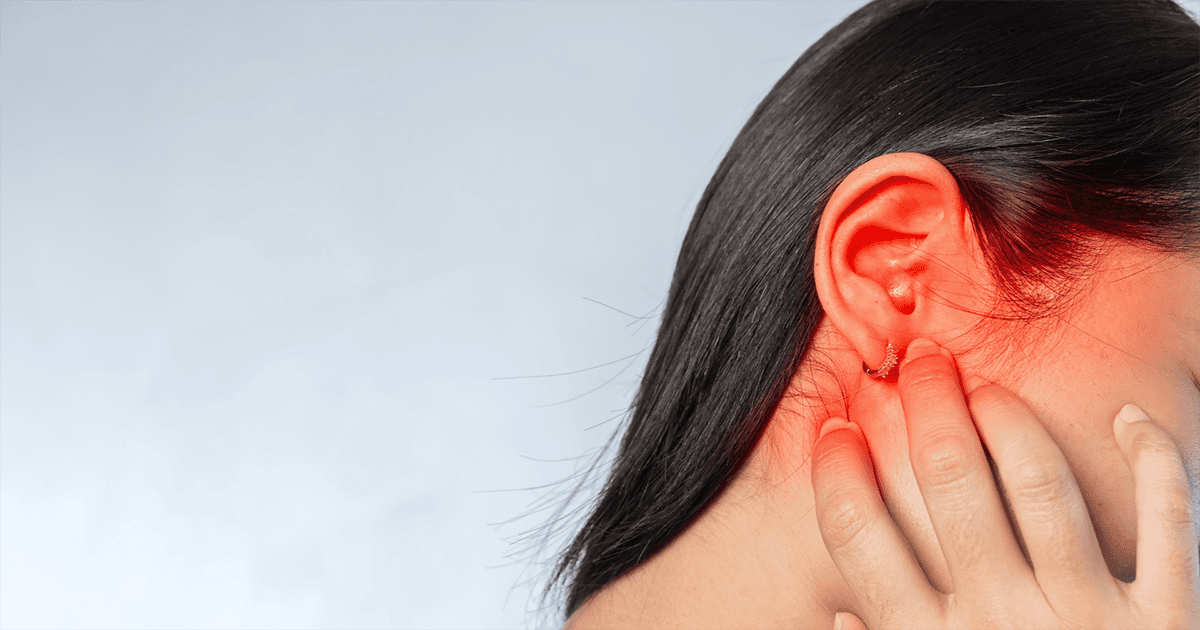





Tinnitus affects approximately 10 percent of the U.S. adult population and 14 percent of the world’s population (NIDCD, 2025). Tinnitus can sound different to individuals, and its severity is subjective.
Recently, researchers from McGill University in Montreal, Quebec, Canada, in conjunction with artificial intelligence (AI), created a method to identify warning signs of severe tinnitus. Applying this model to more than 200,000 people, they confirmed that frequent fatigue, poor sleep, being “gloomy,” and a high level of neuroticism (a personality trait associated with negative emotions, such as anxiety, worry, and irritability) were the main warning symptoms.
The authors also found that, while hearing loss was the most significant predictor of severe tinnitus onset, the quality of the tinnitus was more closely linked to psychological and behavioral traits. In other words, people who experienced more severe tinnitus tended to process and react to it in more negative ways.
The scientists concluded that, much like pain, tinnitus is a very subjective experience. They hope to use this model to predict which symptoms may worsen and provide early intervention to those tinnitus sufferers.
References
Hobeika, L., Fillingim, M., Christophe Tanguay-Sabourin, Roy, M., Alain Londero, Samson, S., & Etienne Vachon-Presseau. (2025). Tinnitus risk factors and its evolution over time. Nature Communications, 16(1).
National Institute on Deafness and Other Communication Disorders. (2021, March 25). Quick Statistics About Hearing. NIDCD; National Institute on Deafness and other Communication Disorders.
Recent Posts
Medicaid Work Requirements Rule Could Affect Access to Hearing Healthcare
The Centers for Medicare and Medicaid Services (CMS) recently issued an Interim Final Rule implementing Medicaid work requirements for certain adult beneficiaries beginning in 2027….
Sleep in U.S. Adults
Previously, we reported on sleep routines and tiredness in children. You may now be wondering how well adults sleep. If so, a recent report by…
Audiology CPT® Codes Enter Routine AMA RUC Review Process
Over the next several months, a significant number of CPT® codes used to report audiology function tests will undergo review through the AMA/Specialty Society Relative…