


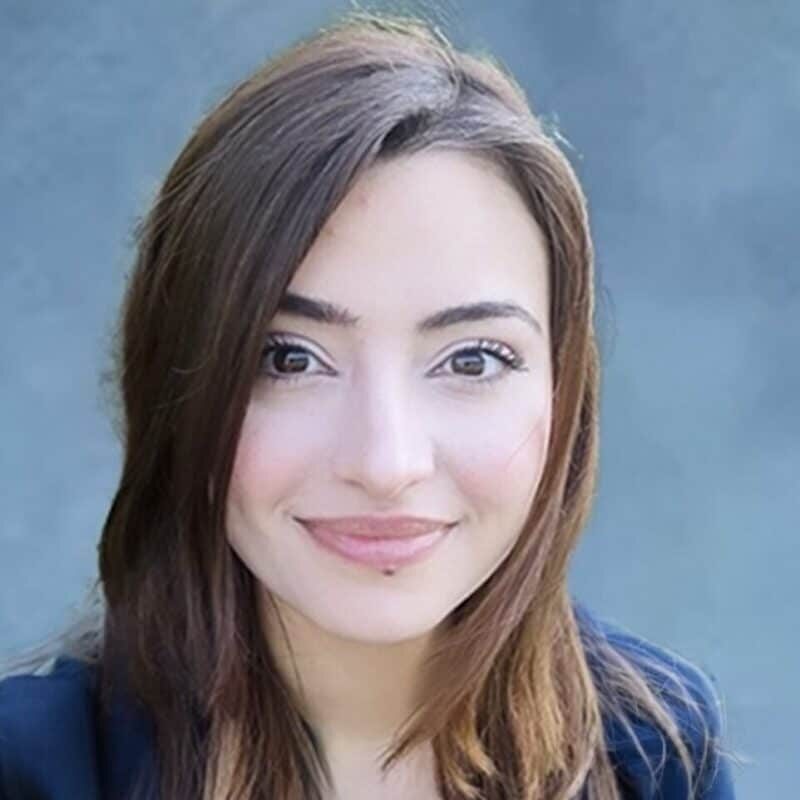
Batoul Berri, AuD
What is your background in audiology?
I am a pediatric and vestibular audiologist at University of Michigan-C.S. Mott Children’s hospital. I have been practicing for five years. My clinical work includes pediatric diagnostics and (re)habilitative care, along with vestibular assessments for both pediatric and adult populations. I also serve as a clinical preceptor for AuD students, deliver lectures for residents, teach graduate courses, and am currently a PhD candidate conducting research in vestibular science.
Why do you volunteer with the Academy?
I volunteer with the Academy to contribute to the profession beyond my clinical role. Being involved allows me to stay connected to the broader audiology community while supporting initiatives that advance patient care, education, and professional standards.
What is one thing that you can say volunteering has done for you and your personal success as an Audiologist?
Volunteering has provided meaningful leadership and collaboration opportunities that have broadened my perspective and supported my professional growth as an audiologist.
If you could master any instrument instantly, which one would it be?
Photography and/or the art of making pasta from scratch!
What’s your favorite way to reset after a busy week?
Spending time with family and friends, experimenting with new recipes, and taking spontaneous weekend trips.
