



By Jamie Bogle
In recognition of May Is Better Hearing Month…take time to take care of yourself.
Your hearing and balance care are important to your overall well-being and can be affected by a sports-related or even everyday-life concussion.
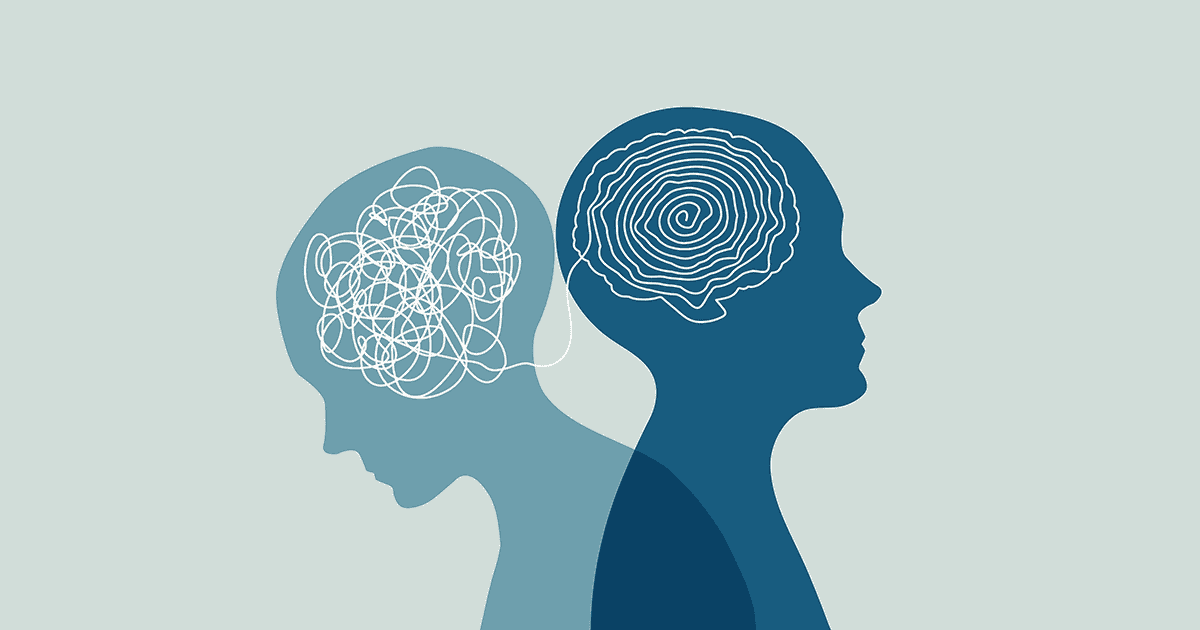
According to the Centers for Disease Control, a concussion is a traumatic brain injury “caused by a bump, blow, or jolt to the head or a penetrating head injury that disrupts the normal function of the brain.”1 This injury leads to a series of changes in the brain. For many children and young adults, concussions happen during sports—but not always. A significant fall, car accident, or even an accident on the playground can lead to a concussion.
Common symptoms include headache, dizziness, balance problems, difficulty thinking, confusion, change in sleep, and change in emotions. A trained concussion expert can help manage these symptoms. Some concussions require immediate emergency management. Those with symptoms such as increasing headache, slurred speech, weakness, numbness, seizures, or loss of consciousness should seek emergency treatment right away.1
Most of the time, individuals will feel much better after a few weeks following the concussion. It can take a while for symptoms to go away completely and sometimes it does take longer to recover than expected. Those that may take longer to recover may have other risk factors such as previous concussions, neurological disorders, mental health disorders, learning difficulty, or other stress. Trained concussion experts can help guide the recovery process and know what risk factors to watch for so that recovery continues.
If you or someone you know may have experienced a concussion and have difficulty with your hearing or balance, you should consult your physician and consider follow-care from an audiologist.
Get Your Hearing and Balance Checked…Find an Audiologist Near You!
Jamie M. Bogle, AuD, PhD, is the division chair of audiology and a clinical audiologist at Mayo Clinic Arizona. She is a member of the Academy Board of Directors.
Resources
Endnote
1Centers for Disease Control and Prevention. Traumatic Brain Injury and Concussion. Accessed April 9, 2019.
Recent Posts
Academy Files Rulemaking Petition to Restore ABA Language in VA Regulations
Earlier last year, the Virginia Board of Audiology and Speech-Language Pathology finalized regulatory changes intended to streamline licensure by removing direct ties between certification and…
Congress Needs to Hear From Audiologists on Student Loan Access
The Professional Student Degree Act, H.R. 6718, introduced by Representative Michael Lawler (R-NY), was introduced in mid-December. This bill reaffirms audiology’s status as a professional…
Why Wild Animals Don’t Have Floppy Ears
In 1959, a scientist began a domestication experiment with silver foxes. Critics believed the experiment was, at the very least, too ambitious (if not outright…